Schools
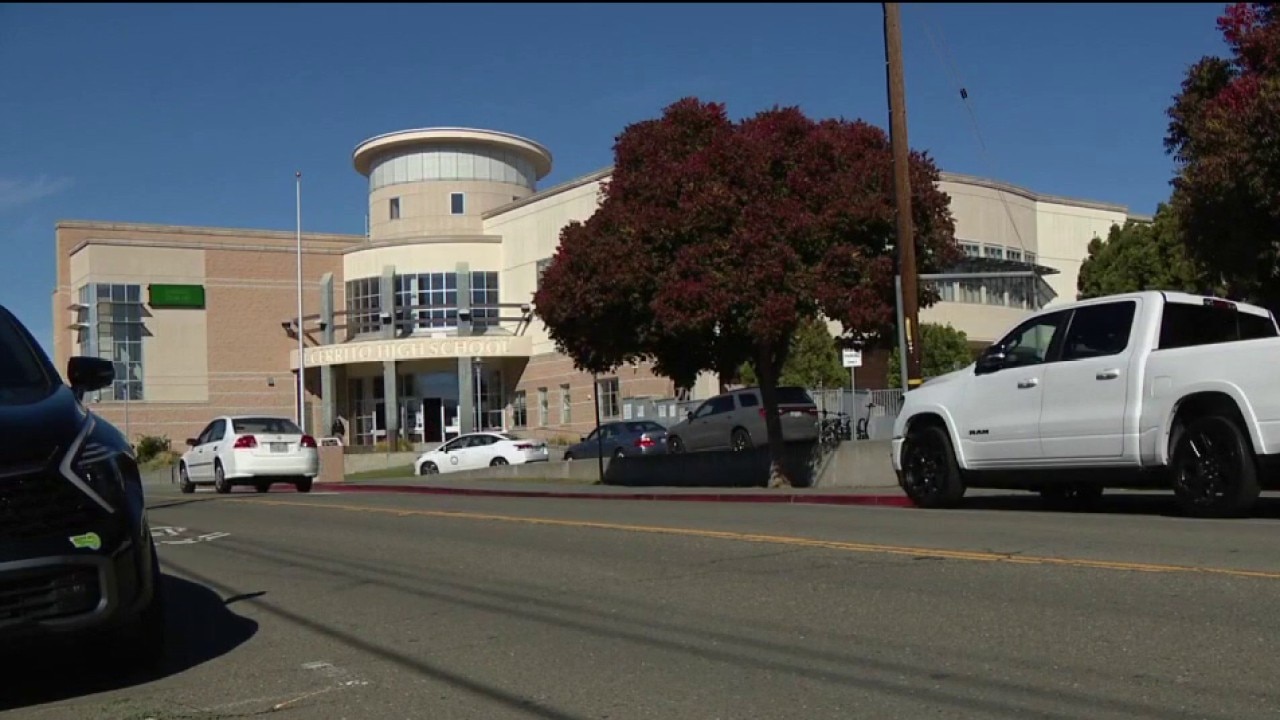
El Cerrito High football program suspended amid hazing probe
By Katherine Langford
Advertisement · Why this ad?
Katherine oversees editorial operations across all six brands. Before joining The Meridan Group, she spent 14 years at the Minneapolis Star Tribune, where she led the metro desk through its digital transformation. She holds a Master's in Journalism from Northwestern's Medill School.
More from Katherine →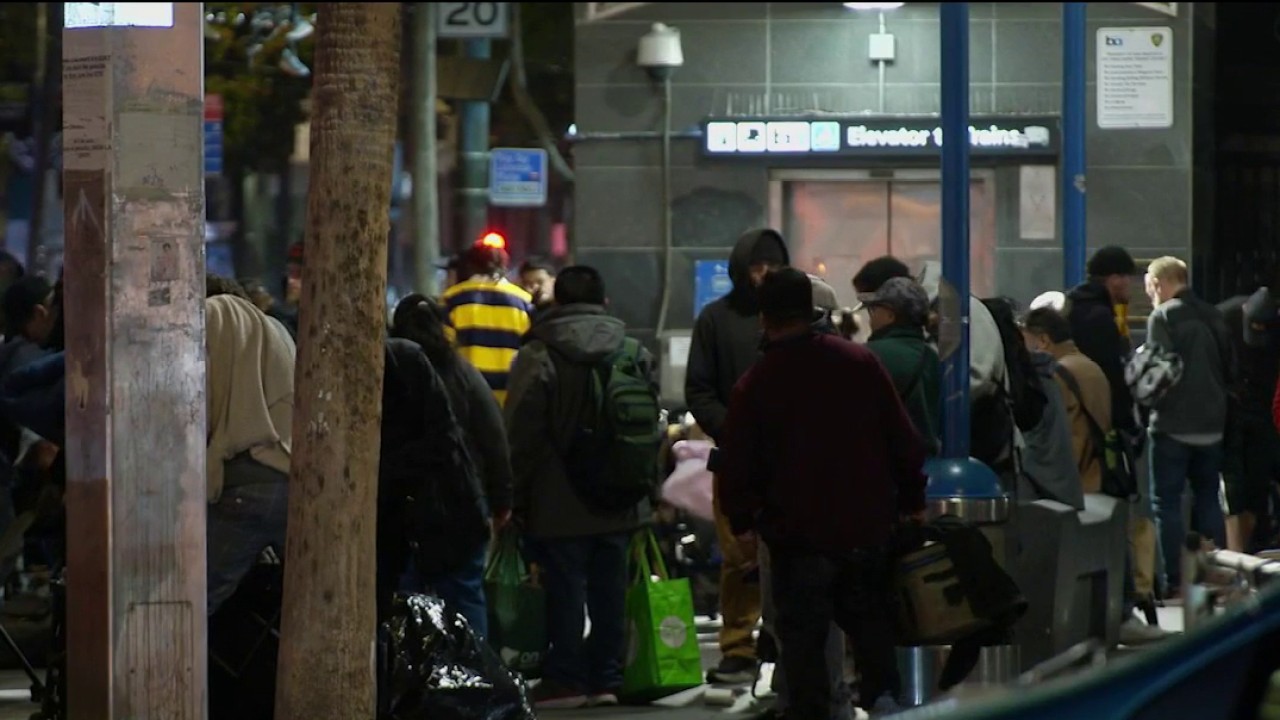
The clang of a BART train pulling into the 16th Street station often carries more than just commuters; it echoes with concerns about safety and well-being. For years, residents and businesses around the 16th and 24th Street BART stations in San Francisco’s Mission District have voiced anxieties about visible street disorder. Now, city leaders are responding with a $12.25 million initiative designed to address these concerns, a plan that combines increased law enforcement presence with investments in community support and infrastructure improvements. This comprehensive strategy aims not only to create a safer environment but also to acknowledge the complex factors contributing to the challenges facing this vital San Francisco neighborhood.
The city of San Francisco has announced a $12.25 million plan focused on improving safety and services around the 16th and 24th Street BART stations in the Mission District. This initiative, unveiled Friday by Mayor Daniel Lurie and Supervisor Jackie Fielder, includes immediate increases in police patrols, deployments of sheriff's deputies and California Highway Patrol officers, alongside longer-term investments in community ambassadors, improved lighting, and upgrades to the area surrounding Marshall Elementary School. The funding comprises $9.25 million from Crankstart, a philanthropic organization, and $3 million secured by Assemblymember Jesse Gabriel from the state. For six months, sheriff's deputies will patrol Mission Street between 16th and 24th streets, while 16 California Highway Patrol officers will be deployed citywide for a 60-day period. The San Francisco Police Department is adding officers for evening operations around the BART plazas. Learn more about BART services.
The investment includes $9.25 million from Crankstart, a philanthropic organization, and $3 million in state funding secured by Assemblymember Jesse Gabriel. The money will support expanded civilian ambassador coverage, improved lighting, public safety technology and upgrades around nearby Marshall Elementary School. The school improvements include fencing, murals, landscaping and a dedicated Spanish-speaking community ambassador to help families during school arrival and dismissal times. San Francisco Unified School District Superintendent Maria Su and Marshall Elementary Principal Noah Ingber both expressed support for these enhancements.
The need for this investment stems from longstanding concerns voiced by residents and businesses regarding public safety around the BART stations. Bill Maggs, a San Francisco resident, articulated a common sentiment: “I don't think it's particularly safe…there are mentally ill people, there are drug-using people at all times. I would say my wife doesn't come to the 16th Street BART at night and walk home. She just won't do that.” Aliya Khan, a visitor from Concord, echoed this concern, noting that she feels uneasy using BART at night. The plan represents a direct attempt to address these fears and create an environment where residents and visitors alike feel secure.
While the announcement has been generally welcomed, some residents expressed cautious optimism, acknowledging the cyclical nature of neighborhood improvements and potential unintended consequences. Paul De Mello, a regular passerby at the 16th Street BART station, stated, “I’m hopeful. I've definitely seen it go up and down over many years.” He voiced concerns about the possibility of increased enforcement simply displacing problems to nearby residential streets – a concern shared by others who have witnessed similar shifts following previous crackdowns in the Tenderloin and South of Market neighborhoods. Maggs elaborated on this point, saying, “As the defined zone that the mayor set up for the Tenderloin and SoMa, people have moved out of there. They’ve moved over here.”
Kelly Pratt of Oakland, a healthcare provider in public health, highlighted the importance of addressing the root causes of street disorder. “It probably will make people around here feel safer,” she said, “But I do feel that…I would love to see investment and also ways to help those who are desperate enough to engage in these kinds of behaviors through social services and all that. But I am acknowledging that's a longer-term goal.” She rightly points out that lasting solutions require a holistic approach that combines enforcement with support services. Explore San Francisco City Services.
The concerns expressed by residents regarding displacement are rooted in a history of attempts to address street disorder that have inadvertently shifted the challenges from one area to another. Previous initiatives aimed at cleaning up the Tenderloin and South of Market neighborhoods have been observed to simply move individuals experiencing homelessness and substance abuse issues into other areas, including the Mission District. This underscores the complexity of addressing these problems and highlights the need for a coordinated, city-wide strategy that considers the potential for unintended consequences.
The immediate implementation of increased law enforcement presence offers a sense of reassurance to many residents, but longer-term improvements such as lighting upgrades and expanded ambassador coverage are expected to take several months as the city works through grant applications and implementation processes. Mayor Lurie acknowledged the potential for displacement, stating, “Moving the problem from one block to the next isn't good enough — this community deserves concrete steps that will make a real difference.” Supervisor Fielder emphasized her office’s year-long advocacy for increased community ambassadors and BART plaza improvements.
The city also plans to expand nighttime street outreach and cleaning services, signifying a commitment to addressing both the visible signs of disorder and the underlying issues contributing to them. Residents are encouraged to remain engaged in the process, providing feedback and collaborating with city officials to ensure the plan’s effectiveness. The success of this initiative will hinge not only on law enforcement but also on a sustained commitment to providing support services and fostering a sense of community ownership. Learn more about Community Action for Responsible Neighborhoods.
The announcement of this plan offers a glimmer of hope for the Mission District, but it also serves as a stark reminder of the persistent challenges facing our city. While increased police presence can provide immediate relief and deter crime, true safety emerges from addressing the root causes of societal breakdown—the lack of stable families, the despair that drives addiction, and the erosion of community bonds. The concerns raised by residents about displacement are valid; simply moving problems from one neighborhood to another doesn't solve them, it merely shifts the burden onto someone else. It is encouraging to see the inclusion of community ambassadors and support for Marshall Elementary School—these investments represent a recognition that a holistic approach is essential.
The reliance on philanthropic funding like Crankstart also highlights the limitations of public resources and the crucial role that private generosity plays in addressing our community’s needs. As residents navigate this initiative, it’s important to remember that lasting change requires more than just law enforcement; it demands a renewed commitment to strengthening families, supporting vulnerable individuals, and fostering a culture of responsibility and compassion. The plan’s success will depend not only on the city’s actions but also on the willingness of residents to engage constructively and hold leaders accountable for delivering results that truly benefit our community. We should all pray for families in need and look for ways to support neighbors struggling with addiction or mental health challenges.
For residents seeking assistance or wishing to learn more about the initiative, the following resources are available: San Francisco Human Services Agency offers a range of support services for individuals and families experiencing hardship. The San Francisco Police Department provides information on crime prevention and community safety programs. Marshall Elementary School’s website (Marshall Elementary School website) offers details on school-related resources and events.
Further information can be obtained by contacting Supervisor Jackie Fielder’s office or through the Mayor’s Office of Public Safety. The success of this plan will require ongoing collaboration and communication between city officials, residents, businesses, and community organizations. As we move forward, let us all commit to working together to create a safer, more vibrant, and more resilient Mission District for generations to come. Check SFMTA for BART updates. Betty Yu is a KTVU FOX 2 reporter. Follow her on Instagram and X at @bett_yu.
The $12.25 million investment in the Mission District represents a significant step toward addressing critical safety concerns and providing essential support services. However, it’s crucial to remember that true community well-being extends far beyond law enforcement and infrastructure improvements. By fostering strong families, supporting vulnerable individuals, and upholding traditional values of faith, commitment, and responsibility, we can build a brighter future for all residents of Menlo Park.
By Katherine Langford

By Katherine Langford

By Marcus Chen

By Katherine Langford